

In today’s commercial real estate market, small companies need more than just a place to work;...

Gross vs. Net Area: What Tenants Really Need to Know
When you’re searching for the perfect office space in commercial real estate, the numbers can get confusing. You’ll hear terms like “gross area” and “net area,” and while they might sound similar, they have a major impact on your lease and your wallet. Understanding this difference is one of the most important steps a tenant can take to ensure a fair and transparent deal. We’re here to break down exactly what these terms mean for you.
At its core, the distinction is about usable space versus total space. Net area is the space you can actually use, while gross area includes shared spaces like lobbies and elevators. This difference directly affects your rent calculation and overall operating costs. Let’s dive into the details so you can navigate your next lease negotiation with confidence and find a space that truly works for your business.

What is Net Area?
Think of the net area as your own private business kingdom. It’s the square footage you have exclusive access to for your operations. This is often called the net lettable area (NLA) or usable square footage.
The NLA includes:
- Your offices, cubicles, or retail floor.
- Private storage rooms or kitchens within your suite.
- Any area that is for your use only.
When you sign a lease, the net lettable area is the physical space you’ll furnish, occupy, and operate your business in every day. It’s the most straightforward measurement, but it’s only part of the story. Your rent is rarely based on this number alone, which brings us to the gross area.
You may also like: 5 Types of Commercial Real Estate: A Beginner’s Guide
Understanding Gross Area: The Bigger Picture
The gross area accounts for more than just your private suite. There are two main types of gross measurements you’ll encounter in commercial real estate: gross leasable area and gross building area.
What is Gross Leasable Area (GLA)?
The gross leasable area (GLA) is the most common measurement used for calculating rent in retail and office buildings. It includes your exclusive net lettable area plus a portion of the building’s common areas.
What are common areas? These are spaces shared by all tenants in the building, such as:
- Lobbies and atriums
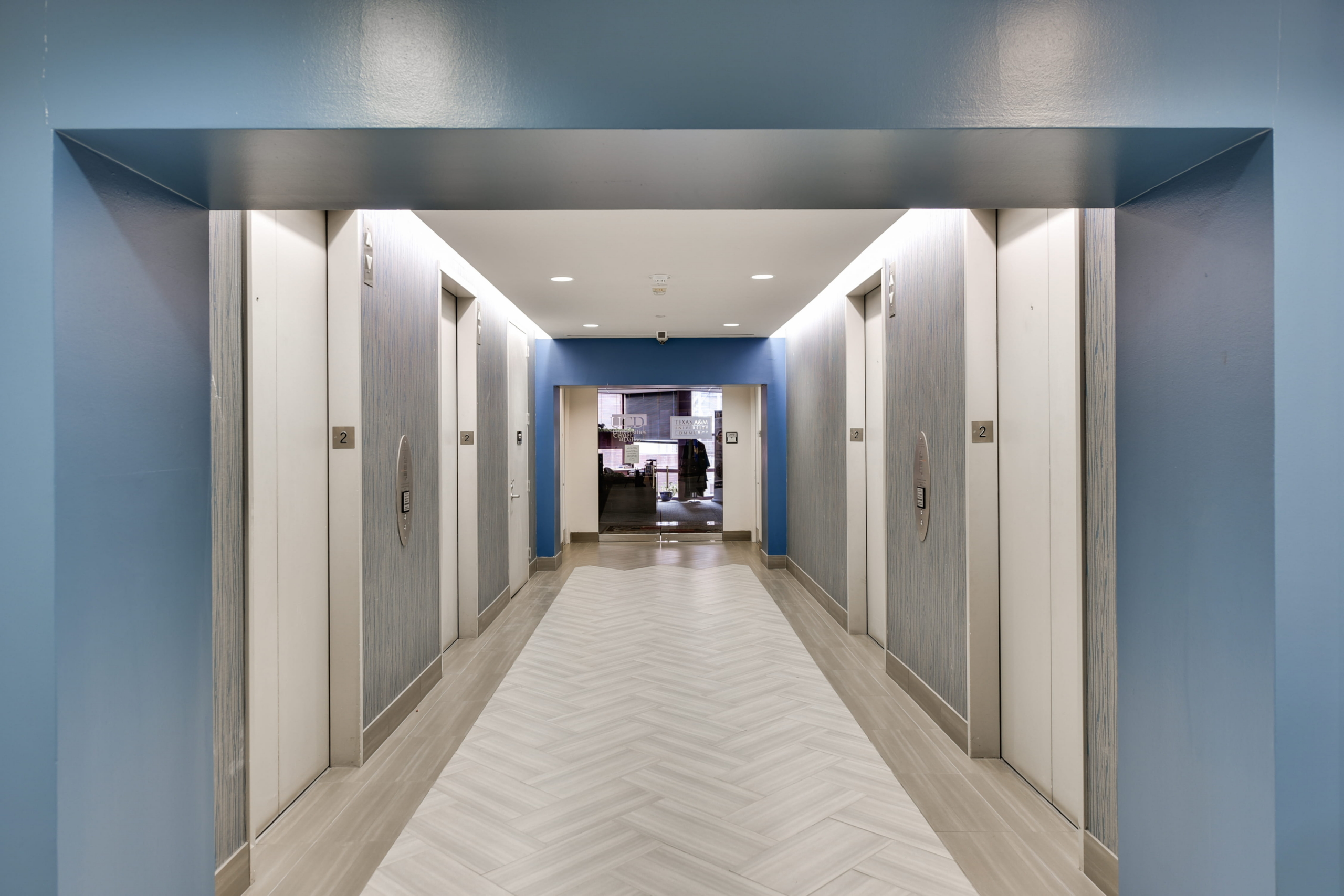
- Hallways and corridors
- Shared restrooms
- Elevators and stairwells
- Building amenities like a fitness center or conference facility
Your landlord allocates a percentage of these common areas to each tenant, typically based on the proportion of the building you occupy. This is often called a “load factor” or “add-on factor.” So, your final rentable square footage (and your rent) is your usable square footage plus your share of the common areas.
What is Gross Building Area?
The gross building area (GBA), sometimes called gross floor area, is the total square footage of the entire building. This measurement includes everything, all tenant suites, common areas, maintenance rooms, and even the thickness of the exterior walls.
As a tenant, you generally don’t need to worry as much about the gross building area. It’s a number used more by architects, developers, and tax assessors. However, knowing it exists helps you understand that a building has many layers of measurement, and it’s crucial to know which one your lease is based on.

How Gross vs. Net Area Impacts Your Lease
The difference between gross and net area directly influences how much you pay. This is where different lease structures, like a Gross Lease and a Net Lease, come into play.
A Gross Lease is simpler for the tenant. You pay one flat rental rate, and the landlord covers all operating costs, including property taxes, insurance, and common area maintenance (CAM). The landlord has already calculated these expenses and baked them into your rental rate, based on the gross leasable area. This structure provides predictable monthly payments.
A Net Lease, on the other hand, separates the base rent from operating costs. You pay a lower base rent on the net lettable area, but you also pay a portion of the building’s operating costs. There are several types of Net Leases (Single, Double, and Triple Net), each passing on different expenses to the tenant. Under this structure, it’s vital to understand how your share of the common areas and operating costs is calculated.
You may also like: Creative Ways to Elevate Tenant Experience for Small Businesses
A Note on a Growing Trend: What Are Net Zero Spaces?
While not directly related to area measurement, the term “net zero” is becoming more prevalent in commercial real estate. A net zero space refers to a building that produces as much renewable energy on-site as it consumes over the course of a year.
These highly efficient buildings are designed to minimize their carbon footprint. For a tenant, leasing a net zero space can lead to significantly lower utility bills and can be a powerful part of your company’s corporate social responsibility strategy. It demonstrates a commitment to sustainability that resonates with modern customers and employees. As you search for properties, asking about energy efficiency and net zero features can deliver long-term value beyond the rent payment.
Navigating the complexities of commercial real estate can be challenging, but you don’t have to do it alone. Boxer Property understands the ambitions and needs of small businesses, which is why we offer flexible office solutions, personalized service, and modern amenities designed to help you succeed.
At Boxer Property, our team is dedicated to providing clarity and confidence throughout your leasing journey. Explore how Boxer Property can elevate your office experience and help you achieve more, every single day.
Frequently Asked Questions (FAQs)
- How do I calculate the rentable square footage if I only know the usable square footage and the load factor?
To calculate your rentable square footage, you multiply your usable (net) square footage by the load factor. The formula is: Usable Square Footage x (1 + Load Factor) = Rentable Square Footage. For example, if your suite has 2,000 usable square feet and the building has a 15% load factor (0.15), your rentable square footage would be 2,000 x (1 + 0.15) = 2,300 square feet. Your rent will be based on this larger number.
- Is it better for a tenant to have a Gross Lease or a Net Lease?
Neither lease type is universally “better”; it depends on your business’s priorities. A Gross Lease offers predictable monthly costs and simplicity, as the landlord handles all operating expenses. This is often preferred by tenants who want to avoid variable costs. A Net Lease typically has a lower base rent but requires the tenant to pay for some or all operating costs. This can result in lower overall costs if the building is managed efficiently, but it also carries more risk and less predictability.
- Why do landlords charge tenants for common areas they don’t exclusively use?
Landlords charge for common areas because these spaces are essential for the building to function and provide value to all tenants. The lobby, elevators, hallways, and shared restrooms are necessary amenities that everyone benefits from. By allocating the cost of maintaining these common areas proportionally among all tenants, the landlord ensures the property remains clean, safe, and professional. This shared-cost model allows landlords to offer amenities that a single tenant might not be able to afford on their own.
About Boxer Property
Boxer Property is celebrating over 30 years as an innovative commercial real estate investment and management company. Boxer Property Management Corporation is a privately held firm based in Houston that manages, leases, and administers retail, medical, hospitality, and office properties with over 15 million square feet across more than 140 locations, nationwide. For more information, visit BoxerProperty.com
Related posts

Time to get spooky at the office! Boxerween is back for its 9th annual costume contest, and we’re...

Fort Worth, Texas – Boxer Property is proud to announce that Saenz-Garcia Law, PLLC. has signed a...